Inside the Marine Futures Internship

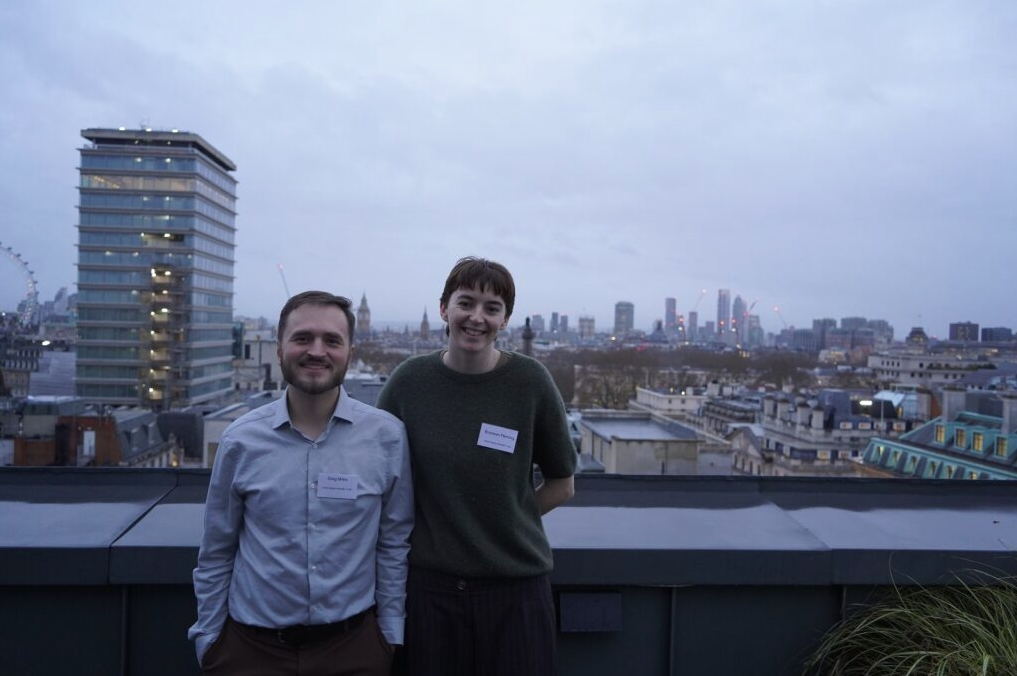
What begins as a placement, the Marine Futures Internship, quickly becomes a launchpad for those eager to protect and improve our natural environment. Following the success of last year’s programme, which led to permanent roles for previous interns, this year’s cohort, Bronwen and Greg, share their experiences, insights, and advice for anyone considering a career in conservation or sustainability.
Motivation and Career Journeys
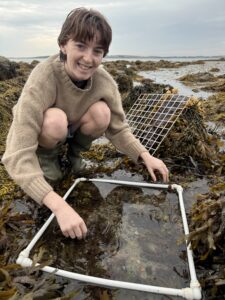 For Greg, the path to conservation was clear from the start:
“I’ve always wanted to work in conservation, driven by purpose and the desire to reduce negative impacts on the environment.”
Bronwen’s journey was less direct. Initially motivated by climate change awareness, she explored business sustainability before realising her passion lay in hands-on conservation:
“I didn’t know exactly what I wanted at first, but through different experiences, I discovered that practical conservation work was where I could make the biggest difference.”
Both interns share a common thread of purpose and impact but acknowledge that the sector can feel challenging for some, depending on their motivations and needs. While conservation roles are deeply rewarding, they often start at entry-level with modest salaries, and progression to higher-paying positions can take time and usually requires specialist expertise.
Key Partners and Programme Scope
The Programme is funded by The Crown Estate, project managed by North Wales Wildlife Trust and run in partnership with The Crown Estate, M-SParc, Menter Môn and Natural Resources Wales (NRW). Each partner organisation provides opportunities for the intern to develop on-the-job skills in specialist areas including marine conservation advice, sustainable fisheries, renewable energy development, marine policy, and community engagement.
Types of Projects Worked On
Bronwen and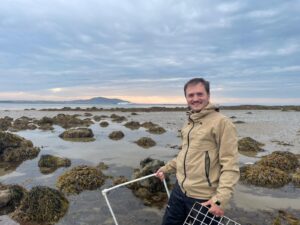 Greg have been immersed in a wide range of activities that showcase the diversity of the marine sector.
As Bronwen explains:
“Already we have been getting into our main project: seagrass seed collection, seashore surveys, intertidal monitoring and so much more!”
Greg adds:
“The internship offers the perfect opportunity to gain a wide understanding of the marine biology sector across North Wales, from hands-on fieldwork and marine surveys to exploring the future of offshore renewable energy and its social and economic complexities.”
These experiences have given them a unique insight into how conservation, community engagement, and renewable energy intersect to shape the future of North Wales.
Skills Developed
The internship has helped both interns build a strong portfolio of technical and transferable skills:
- Technical: GIS mapping, marine survey techniques, species identification, data analysis
- Professional: Report writing, stakeholder engagement, project coordination
- Transferable: Adaptability, communication, networking, and problem-solving
They also attended high-level meetings, conferences, and specialist training in London. These experiences expanded their professional networks and confidence.
Sector Insights
Marine conservation in North Wales is at the heart of efforts to tackle climate change and protect biodiversity. The sector is evolving rapidly, with offshore renewable energy and green skills creating new opportunities for collaboration between conservation organisations, businesses, and communities. Internships like Marine Futures play a vital role in bridging the gap between education and employment, helping individuals gain real-world experience and employers access fresh talent.
What Makes a Meaningful Placement?
According to Bronwen and Greg, the key ingredients are:
- Building networks and industry contacts to open doors to future opportunities
- Working on meaningful projects with real impact and clear deliverables
- Being embedded in the team to feel valued and supported
- Clarity on progression pathways to understand where the experience can lead
Advice for Future Interns
- Think long-term:
“An internship can be a stepping stone. Even if it’s entry-level, the connections and experience you gain are invaluable.” - Stay open-minded:
“Even if the role isn’t exactly what you envisioned, the exposure to different areas will help you refine your career goals and discover new opportunities.”